
Virtual slot machines have exploded in popularity, becoming a dominant form of digital entertainment for millions worldwide. Their accessibility and ease of play have propelled them to the forefront of online casinos and digital gaming. This phenomenon represents not just a shift in how people gamble, but a full-blown evolution, a digital transformation of a classic pastime that’s reached a global scale. From their humble beginnings to the sophisticated, feature-rich games available today, virtual slots have undergone a remarkable journey, driven by technological innovation and a hunger for engaging, convenient entertainment.
The Genesis of Slots: From Mechanical to Virtual
The Liberty Bell and Early Mechanical Innovations
Imagine a San Francisco workshop in the late 1890s, where a German-born mechanic named Charles Fey tinkered tirelessly. His creation, the Liberty Bell, wasn’t just a machine; it was the spark that ignited a global phenomenon. This marvel of gears and levers featured three spinning reels adorned with symbols like horseshoes, spades, diamonds, hearts, and, of course, the Liberty Bell. Its simplicity was its genius. Pull the lever, and the reels spun, a symphony of clicks and whirs culminating in either fortune or frustration. The Liberty Bell’s popularity exploded, quickly transcending saloons and spreading like wildfire, however, the earliest mechanical slots had limitations. Payouts were restricted by the internal mechanics, and each machine had to be carefully calibrated for fair play. As the 20th century dawned, Fey’s invention laid the foundation for the sprawling, multi-billion dollar industry it is today.
The Rise of Electromechanical and Video Slots
The mechanical marvels of yesterday paved the way for a technological revolution in the mid-20th century. Electromechanical slots emerged, blending the traditional with the modern. One standout example is Bally’s “Money Honey” in 1964, the first slot machine with a bottomless hopper and automatic payout of up to 500 coins. No longer were payouts limited by mechanics. The game could pay out more! As technology advanced, video displays transformed gameplay, and in 1976, the Fortune Coin Co. changed the game once more, introducing the first true video slot machine. This innovation allowed for enhanced graphics and a more dynamic gaming experience. The Liberty Bell laid the groundwork; these advancements set the stage for the digital transformation that was on the horizon.
Technological Leaps: The Engine of Evolution
Virtual slot machines have undergone a dramatic transformation, fueled by groundbreaking technological advancements. From the rudimentary beginnings of mechanical reels to the sophisticated digital experiences of today, key innovations have reshaped the landscape of online gaming. The core of this evolution lies in technologies like Random Number Generators (RNGs), microprocessors, advanced graphics, and seamless network connectivity.
Random Number Generators (RNGs) are the bedrock of fair play in the virtual slot world. These sophisticated algorithms produce unpredictable sequences, ensuring that each spin is truly random and independent of previous outcomes. Microprocessors act as the brains of the operation, controlling game logic, managing payouts, and orchestrating the complex interplay of symbols and bonuses. The visual and auditory experience has been revolutionized by advanced graphics and sound design, creating immersive virtual environments that captivate players. Network connectivity is the final piece of the puzzle, enabling online casinos to deliver their games to a global audience, offering a seamless and accessible gaming experience.
The transition to HTML5 marked a pivotal moment, allowing for richer, more interactive gaming experiences directly within web browsers, eliminating the need for clunky plugins. Powering this technological revolution are key software providers like Microgaming, NetEnt, and Playtech. These companies have consistently pushed the boundaries of innovation, introducing groundbreaking features, captivating themes, and ever-more-realistic gaming experiences. They design the algorithms that determine the return to player (RTP), the percentage of wagered money that a slot machine is programmed to pay back to players over time. This intricate system ensures that while the house always has an edge, players have a fair chance of winning.
Random Number Generators and Fairness
At the heart of every virtual slot machine lies the Random Number Generator, or RNG. In layman’s terms, a RNG is an algorithm that generates a sequence of numbers that cannot be reasonably predicted. This ensures that each spin is independent and random. To guarantee fairness, these RNGs are subjected to rigorous independent testing and certification by accredited organizations. These tests involve analyzing the RNG’s output over millions of spins to confirm that it meets the required standards of randomness and unpredictability. While some players may harbor concerns about the fairness of virtual slots, the presence of certified RNGs and independent audits offers a high level of assurance. Probability plays a significant role, with each symbol having a specific chance of appearing on the reels, influencing the overall odds of winning.
Graphics, Sound, and Immersive Experiences
The evolution of graphics and sound in virtual slot machines has been nothing short of spectacular. Early online slots featured basic 2D graphics and simple sound effects, but today’s games boast stunning visuals, complex animations, and immersive audio landscapes. Games like Gonzo’s Quest and Starburst, for example, are renowned for their vibrant colors, detailed symbols, and engaging visual effects. The user interface (UI) is also a critical element, designed to be intuitive and user-friendly, ensuring that players can easily navigate the game and understand its mechanics. Thoughtful sound design, from the subtle clicks of spinning reels to the triumphant bursts of winning combinations, further enhances the immersive experience, drawing players deeper into the virtual world.

The Mobile Revolution: Slots in Your Pocket
Mobile gaming has completely reshaped the virtual slot machine industry, turning what was once a desktop-bound experience into a pocket-sized pastime. The convenience of playing slots on smartphones and tablets has fueled significant growth, driven by technological adaptations that cater specifically to mobile users. The ability to spin the reels anytime, anywhere, has proven to be a massive draw for players worldwide.
Optimizing games for smaller screens presented initial challenges, but developers quickly adapted, employing responsive design principles and leveraging the power of native apps to deliver engaging and seamless experiences. The evolution continues, with some developers even exploring integration with smartwatches, pushing the boundaries of mobile accessibility.
The rise of 5G technology has further enhanced the mobile slot experience, providing faster download speeds and smoother gameplay, even on the go. This increased accessibility has translated into significant increases in both play frequency and overall revenue for the virtual slot machine industry.
The Rise of Mobile Slot Apps
Dedicated mobile slot apps have flooded app stores, offering players a focused and streamlined gaming experience. These apps provide easy access to a wide variety of slot games. Features like push notifications keep players informed about new games and special promotions, while personalized recommendations tailor the experience to individual preferences.
Security is paramount, with the best mobile slot apps employing robust encryption and secure payment gateways to protect user data and financial transactions. The convenience and enhanced user experience offered by these apps have made them a popular choice for slot enthusiasts.
Responsive Design and Cross-Platform Compatibility
Responsive design is crucial for ensuring that virtual slot games work flawlessly across a multitude of devices. By adapting layouts and elements to fit different screen sizes and resolutions, developers can deliver a consistent and enjoyable experience regardless of whether a player is using a smartphone, tablet, or even a foldable device.
HTML5 has played a vital role in achieving cross-platform compatibility, allowing games to run seamlessly in mobile browsers without the need for additional plugins. However, testing and maintaining games across a diverse range of devices remains a challenge, requiring constant updates and optimizations to ensure optimal performance and visual fidelity.
Navigating the Virtual Casino Landscape: Tips for Players
Choosing Reputable Online Casinos
Entering the world of online casinos can be thrilling, but ensuring your safety and security is crucial. That starts with picking the right platform. Licensing is paramount; reputable casinos are licensed and regulated by recognized authorities. These regulatory bodies ensure fair play and protect your funds. Don’t hesitate to investigate a casino’s licensing details and confirm their validity. Online casino reviews can also provide valuable insight. Look for established review sites and player forums where you can find honest feedback and experiences. Security measures, such as SSL encryption, are a necessity, protecting your personal and financial information. Robust customer support is the final component. Choose casinos that offer multiple channels of communication – live chat, email and phone – and are responsive to inquiries.
Understanding Payout Percentages (RTP)
Before you spin the reels or place your bets, understanding Return to Player (RTP) is essential. RTP is the percentage of wagered money a casino game will theoretically pay back to players over time. A higher RTP means a lower house edge, increasing your chances of winning in the long run. You can usually find RTP information within the game’s settings or on the casino’s website. Choosing games with favorable RTP values can improve your winning probability, but keep in mind that RTP is a theoretical number calculated over millions of plays. Don’t forget about volatility. High volatility games offer larger payouts but less frequently, while low volatility games provide smaller, more consistent wins. Understanding both RTP and volatility will help you choose games that match your playing style and risk tolerance.
Design and Psychology: Crafting the Perfect Game
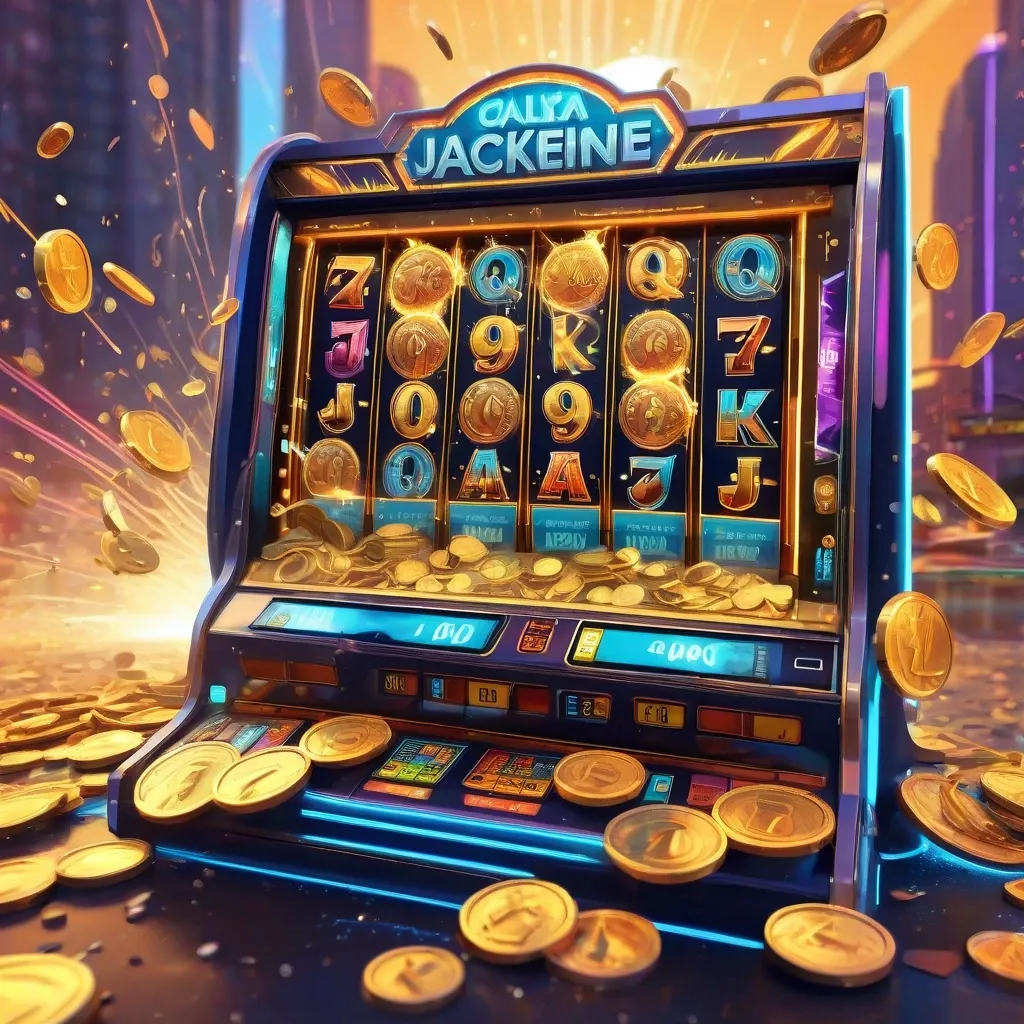
The magic behind a captivating game hinges on a potent blend of ingenious game design and a deep understanding of player psychology. Developers meticulously use themes, sound effects, color schemes, and reward systems to mold an immersive and engaging experience. The choice of theme, be it the mysteries of ancient Egypt or the boundless realms of fantasy, is no accident; it’s a calculated decision to resonate with specific player preferences, immediately drawing them into a world they find appealing.
But the allure runs deeper than just aesthetics. The core of modern game design lies in the principles of operant conditioning, particularly the use of variable rewards. The anticipation of a win, however small, keeps players hooked. The use of well-designed variable rewards is one of the pillars of all games.
The Power of Sound and Color
Sound effects and color schemes aren’t merely decorative; they are powerful psychological triggers. For example, bright, vibrant colors like red and yellow are often used to create a sense of excitement and urgency, prompting quicker decision-making. Complementing this, carefully selected sound effects amplify the sensory experience, signaling wins with cheerful jingles and building suspense with dramatic swells during bonus features. Casinos strategically use these elements to cultivate an immersive environment, heightening the player’s emotional state and encouraging continued play.
Utilising Bonus Rounds and Reward systems
Bonus rounds and reward systems are the heart of player engagement, fueling that “one more try” mentality. Free spins are particularly effective, offering the thrill of potential wins without additional cost, prolonging playtime and boosting excitement. Picking games inject an element of choice and control, where players actively participate in uncovering hidden prizes. Classic examples like the Cleopatra Bonus in the Cleopatra game, where players can pick the quantity of free spins, exemplify how these interactive features captivate and hold attention, driving engagement through extrinsic motivation and the alluring prospect of hitting it big.
The Future of Virtual Slots: Trends and Predictions
Virtual and Augmented Reality Casino
Imagine stepping into a virtual casino where the slots shimmer with otherworldly light, and the clatter of coins is replaced by a symphony of digital sounds. This isn’t a distant dream; it’s the potential future powered by Virtual Reality (VR) and Augmented Reality (AR). VR offers fully immersive casino environments, transporting players to exotic locations or fantastical worlds, all from the comfort of their homes. AR, on the other hand, overlays digital elements onto the real world. Picture playing a virtual slot machine that appears right on your kitchen table! The true revolution, however, lies in artificial intelligence (AI). AI algorithms analyze player behavior, tailoring the gaming experience to individual preferences. Imagine slots that adapt their difficulty based on your skill level, or that suggest games based on your past playing habits. This personalized journey, fueled by VR/AR and AI, will redefine the gaming experience, making it more engaging, intuitive, and ultimately, more rewarding.
Blockchain and Cryptocurrency Integration
Forget traditional cash; the future of virtual slots might be powered by blockchain and cryptocurrency. Blockchain, the technology behind cryptocurrencies, offers a decentralized and transparent ledger system. This means every transaction, every spin, and every payout is recorded on a public, immutable record, drastically reducing the risk of fraud and ensuring provably fair gaming. Imagine being able to verify the fairness of a slot machine’s algorithm yourself! Cryptocurrencies, like Bitcoin or Ethereum, can also streamline payment options. By cutting out traditional financial institutions, cryptocurrencies offer faster transactions, lower fees, and increased privacy for players. Smart contracts, self-executing agreements written into the blockchain, can automate payouts and bonuses, ensuring transparency and eliminating disputes. This fusion of blockchain and cryptocurrency isn’t just about convenience; it’s about building trust and transparency in the virtual gambling world.
Conclusion
From the clunky gears of mechanical contraptions to the dazzling displays of modern virtual slots, the journey has been nothing short of revolutionary. What began as a simple amusement has morphed into a sophisticated form of digital entertainment, constantly evolving with technological advancements and shifting player preferences.
We’ve explored the fascinating history, the innovative technology, and the captivating psychology behind these games. We’ve seen how virtual slots have adapted to new platforms and continue to push the boundaries of interactive gaming. The future promises even more immersive experiences and personalized gameplay.
As we embrace the exciting possibilities that lie ahead, it’s crucial to remember the importance of responsible gaming. Virtual slots offer a thrilling escape, but it’s vital to play smartly, set limits, and prioritize well-being. By enjoying these games responsibly, we can ensure that the fun never fades and the experience remains a positive one. So, spin those reels, explore the vibrant world of virtual slots, and always remember to play with care.